Guides
Videography workflow: nine stages and the handoffs where projects break
Nine stages of a videography pipeline from inquiry to archive, the handoffs where failures start, the media backup rule, and how to cost a project while it runs.
What to take away
- A production company is a pipeline with nine handoffs. Almost every expensive failure happens at a handoff, not inside a stage.
- The shoot day is the only stage a client sees and the shortest stage you run. Build the operation around post, not around the camera.
- Media has one rule that outranks all the othersfootage is not safe until it exists in more than one place, verified, before anyone leaves.
- Every stage needs a written state, an owner and an exit test. Without an exit test, work slides forward half finished.
The nine stages, and what each one hands over
- Inquiry. Ends when you know what the client wants made, roughly when, and roughly what budget shape exists.
- Specification. Ends when the deliverable list, the shoot plan and the revision terms are agreed in writing.
- Preparation. Ends when call sheet, permits, releases, crew, gear and contingencies are confirmed.
- Shoot. Ends at wrap, with media accounted for and card status recorded.
- Ingest and backup. Ends when every clip exists in at least two verified locations.
- Assembly. Ends at a first cut nobody outside the edit has seen.
- Review. Ends when a named approver has given consolidated notes or signed off.
- Delivery. Ends when every file in the deliverable schedule has been exported, checked and received.
- Archive and close. Ends when media is stored per your retention policy, the project is costed, and the invoice is out.
Each of those nine has an owner and an exit test. A stage with no exit test is a stage that leaks: work moves forward looking complete and returns two weeks later.
Nine stages, each with an exit test
- Inquirywants, timing, budget known
- Specificationdeliverables, plan, revisions agreed
- Preparationcall sheet, permits, crew, gear confirmed
- Shootwrap with media accounted for
- Ingestevery clip in two verified locations
- Assemblyfirst cut, unseen outside edit
- Reviewnamed approver gives consolidated notes
- Deliveryfiles exported, checked, received
Where the pipeline actually breaks
| Handoff | The failure | What it costs |
|---|---|---|
| Specification into preparation | Deliverables agreed verbally | Rebuilt cuts, argued invoices |
| Preparation into shoot | Location or power unverified | Half a shoot day, sometimes all of it |
| Shoot into ingest | Cards cleared before verified copy | Unrecoverable footage |
| Ingest into assembly | No logging or naming standard | Hours searching, wrong take used |
| Assembly into review | Sent to a group instead of an approver | Contradictory notes, extra rounds |
| Review into delivery | Notes accepted piecemeal | Rounds that never formally close |
| Delivery into archive | No retention policy | Storage cost that compounds forever |
Read that table as a maintenance list. Fix the handoffs in the order they appear, because a failure early in the pipeline costs more than the same failure late.
Handoff failures and their cost
Handoff
- Spec into prep
- Verbal deliverables
- Prep into shoot
- Location or power unverified
- Shoot into ingest
- Cards cleared early
- Ingest into assembly
- No logging standard
- Assembly into review
- Sent to a group
- Review into delivery
- Notes accepted piecemeal
- Delivery into archive
- No retention policy
Failure
- Spec into prep
- Rebuilt cuts, argued invoices
- Prep into shoot
- Half a shoot day
- Shoot into ingest
- Unrecoverable footage
- Ingest into assembly
- Hours searching, wrong take
- Assembly into review
- Contradictory notes, extra rounds
- Review into delivery
- Rounds never formally close
- Delivery into archive
- Storage cost compounds
Cost
- Spec into prep
- Prep into shoot
- Shoot into ingest
- Ingest into assembly
- Assembly into review
- Review into delivery
- Delivery into archive
Media handling is the one rule with no exceptions
Footage is the only thing in this business that cannot be redone. A missed deadline is embarrassing. A wiped card is a refund and a reputation.
The working discipline is simple and unpopular because it takes time at the end of a long day:
Media handling rule with no exceptions
- Copy every card to two physical destinations
- Verify copy with checksum, not file count
- Never format until verified copies exist
- Keep card as third copy until delivery
- Record per card, per day, off memory
Add a security layer once client material is involved. NIST publishes small-business quick-start material on cybersecurity and privacy risk, and CISA maintains resources for small and midsize organizations.
Both are reasonable starting points for handling drives, cloud review links and client access, and neither requires a specialist to read.
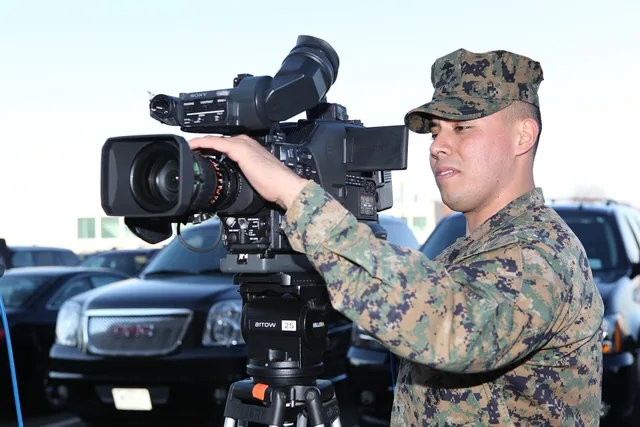
The shoot day is the visible fraction
Clients estimate the cost of a video from the day they attended. That day is typically the smallest block of labor in the project, and the one with the least room to absorb a problem.
Two consequences for how you run it. First, decide everything you can before the day, because on-location decisions are the most expensive ones you make.
Second, end the day with post in mind: a slate, a naming convention, room tone, a shot of the sync clap, and a note of anything that will be a problem in the edit.
The job is broader than the camera. The Bureau of Labor Statistics description of broadcast, sound and video technicians covers setting up, operating, monitoring, maintaining and troubleshooting audio and video equipment, and schedules and environments vary by production.
That variability is the operational problem: an event runs late, a location changes, a subject arrives an hour behind. Build the day with slack, or the slack comes out of post.
Post is where the operation lives or dies
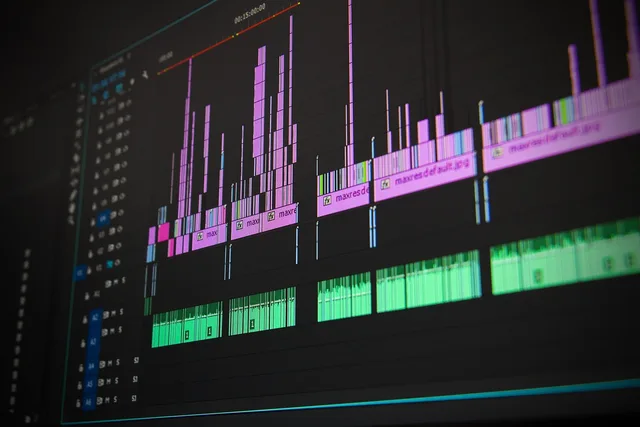
The edit bay is the constraint in almost every small production company. Cameras sit idle without cost; an editor cannot be in two projects at once.
Run post as a queue with a visible state per project. Three practices do most of the work:
Post as a visible queue
- One project enters assembly per editor
- Current state visible to whoever books work
- Reviews go to one named approver
- Approver consolidates colleagues' notes
- Round closed formally in writing
- Next round opens only after closure
Those three turn post from an open-ended obligation into a schedule. They also make the revision terms in your quote enforceable, because you can point at when a round opened and closed.
Rights and permissions belong in the workflow, not at the end
Music, stock, talent releases, property permissions and location rules are operational items with deadlines, not paperwork to sort out before delivery.
Rights checks inside the pipeline
- Music license covers client use
- Territory and term confirmed
- Stock and property permissions cleared
- Talent releases collected on the day
- Track not approved until license confirmed
Music is a rights problem, not a shopping problem. The U.S. Copyright Office's work on the music marketplace explains how one track can carry several rights, held by different parties, with separate licensing paths.
Do not assume a subscription covers a client's commercial use in every territory and term. Read the license you hold, check the Copyright Office's current guidance, and take anything consequential to a qualified attorney.
Put the check in the pipeline: a track is not approved for a client cut until someone has confirmed the license covers the use. The same applies to releases collected on the day, which is where the licensing and release obligations of the business meet daily practice.
Costing the project while it is still open
An operation that cannot cost its own projects cannot improve. Capture hours by stage as the work happens, not from memory at the end.
Your books have to support that. The IRS guidance on what records a business should keep describes a system that clearly shows income and expenses with supporting documents behind purchases, payroll and assets. Project costing sits above that layer, and it is what turns the pipeline into evidence: which stage overruns, on which project type, for which client.
Labor is the largest line in that costing, and the wage half of it should be anchored externally. The wage estimates published by occupation and metropolitan area are a fair starting point before you add burden, non-productive time and gear replacement. What the finished model does with those hours is set out in how video projects are priced.
Standardize the capture so post gets easier
Operations improve fastest when the shoot stops creating post problems. Matched picture profiles across cameras, a single audio sample rate, one frame rate per project, timecode or a clap on every setup, and a naming convention decided once. None of that is glamorous, and all of it shortens the edit.
The gear decisions behind it are covered in the camera, audio and lighting setup guide. What you sell shapes the pipeline too, since a company running one project type can standardize far harder than one taking everything, which is the argument in how videography services are packaged and in reading your own market before committing.
Common questions
How much of this survives a one-person business?
All of it, in shorter form. A solo operator still has nine stages and still hands work from one version of themselves to another. The written state and the exit test matter more when there is nobody to notice a gap.
What is the single highest-value change for a company with no system?
Verified two-copy backup before leaving location. It is the only failure on this page that cannot be repaired by working late.
How do I stop revision rounds from running forever?
Name one approver, require consolidated notes, and close each round in writing. Then hold it politely and consistently. A round that closes only when the client stops writing is not a round.
Where should the pipeline state live?
Anywhere everyone can see it, updated by the person doing the work. A shared board, a spreadsheet, or dedicated software all work. What fails is a system only the owner updates, because it will drift and then be ignored.
Should the editor attend the shoot?
Where it is affordable, often yes: the person who will assemble the material asks different questions on the day. Where it is not, a five-minute wrap conversation and a written note of problems captures most of the benefit.