Guides
Videography Shoot Postproduction in Denver and Seattle
Videography shoot postproduction in Denver and Seattle follows campaign and retainer patterns, shaping schedules, crew plans, editing, and deliverables.
What to take away
- For videography shoot postproduction, Denver outdoor brands buy campaign packages: one or two production windows, a fixed shot list, and deliverables tied to a product launch or season.
- Seattle tech and outdoor crossover clients buy capacitya standing monthly or quarterly batch of product, lifestyle, and social assets with formats written into the statement of work.
- Front Range and mountain shoots carry travel, land permits, and weather risk; Seattle shoots carry studio time, stylists, and heavier postproduction hours.
- Commercial drone work in both metros needs an FAA Part 107 remote pilot certificate, a registered aircraft, and airspace authorization near Denver International or Seattle-Tacoma International.
Two outdoor markets, two buying styles
Denver and Seattle both sit inside strong outdoor economies. The brands buying video are not the same animal.
Denver vs Seattle Buying Styles
Denver brand
- Buying style
- Campaign shoot
- Client base
- Gear, apparel, ski, bike
- Deliverables
- Fixed shot list
- Cadence
- One or two windows
- Losing risk
- Price
Seattle client
- Buying style
- Standing capacity
- Client base
- Tech, legacy outdoor retail
- Deliverables
- Monthly short-form volume
- Cadence
- Year-round calendar
- Losing risk
- Capability
Denver's client list leans on gear, apparel, ski, bike, and run brands with headquarters or satellite marketing offices along the Front Range. Seattle's leans on technology companies with outdoor-adjacent products, plus legacy outdoor retailers and manufacturers around Puget Sound.
The difference shows in how work is commissioned. A Denver brand buys a campaign: one or two production windows, a fixed shot list, deliverables tied to a launch. A Seattle client buys capacity: a standing monthly or quarterly volume of short-form product, lifestyle, and social assets.
Scope, crew size, travel, licensing, and revision cycles follow the buying style. They do not follow the city name. Videographers who quote both markets from one rate card lose Denver work on price and Seattle work on capability.
Both markets support specialist vendors, so generalists compete on price alone. A published overview of its statistics by geography covers metro-level comparisons when you want to check what each market can bear.
Denver buyers tend to sit closer to the production. Marketing leads there often come from an outdoor background and ask about locations, snowpack, and access windows in specific terms. Seattle buyers more often come from product or growth and ask about asset counts, formats, and testing cycles.
None of this is absolute. Denver has software companies that buy retainer content, and Seattle has gear brands that buy seasonal campaigns. The mix is different enough to shape your pitch, your rate card, and your crew plan.
If you are still deciding where to build a client base, our breakdown of the best markets for a videography business covers how outdoor and tech demand differs across regions.
Denver outdoor and gear brands: budgets, season windows, and content cadence
Denver clients buy around weather and product cycles. Snow gear shoots land in late fall and winter, with some summer glacier or high-alpine work for the following season. Trail, run, bike, camp, and paddle content clusters from late spring through early fall.
Denver Production Peaks by Season
- Late fall-winterSnow gear shoots
- Late spring-early fallTrail, run, bike, camp, paddle
- April and NovemberSlow shoulder
- Quarter before shootBudgets locked
That creates two or three production peaks a year and a slow shoulder in April and November. Brands lock budgets the quarter before the shoot, so a January conversation about a July trail campaign is normal, not early.
Shoot budgets vary by client size. Regional gear brands commonly fund one or two shoot days with a small crew. Larger apparel and equipment brands fund multi-day productions with talent, travel, and location permits. Edit is usually a separate line, and many Denver clients expect a defined deliverable count rather than open-ended editing hours.
Content cadence is campaign-driven. A brand may want a hero film, a set of cutdowns, and a bank of stills from one shoot. Those assets run across retail, trade show, paid social, and dealer channels, so versioning and format work can exceed the shoot itself in postproduction hours.
Access is the first hidden cost. Many Front Range and mountain locations sit on public land, and commercial filming on federal land can require a permit from the managing agency.
Forest Service, BLM, and National Park Service units handle requests differently, and peak-season lead times run weeks or months. Confirm the requirement with the managing office and build permit time into the schedule.
Weather risk is real and should be priced. A spring snowstorm can close a high pass, and summer afternoon storms can end a shoot day early. Denver clients generally understand this, but the contract should still state how weather days, reshoots, and standby time are billed.
Talent and crew travel add cost. A Denver crew driving to a mountain location for a two-day shoot loses a day to travel on each side in practice. Clients comparing bids should see that line item, and videographers should not hide it.
Denver clients also care about authenticity. Casting real athletes, real customers, and real staff often outperforms polished talent for this audience, which changes how you plan a shoot day and how much direction you give on camera.
Seattle tech and outdoor crossover clients: what they expect from a shoot
Seattle tech and outdoor clients buy differently. Many are funded companies with in-house marketing teams, agency partners, and a content calendar that runs year round. They expect a vendor who can slot into that calendar and deliver on a predictable schedule.
Seattle Shoot Deliverable Specs
- Vertical cutdowns
- Square versions
- Web hero files
- Raw selects for client editors
- Frame-accurate review tool
- Timecoded consolidated notes
Product video is the core need: controlled lighting, clean backgrounds, macro work on materials and details, and repeatable setups that can be reshot when a product changes. Lifestyle footage supports the product story, usually shot in the city, on water, or in the Cascades.
Seattle clients specify formats up front: vertical cutdowns, square versions, web hero files, and sometimes raw selects for their own editors. Deliverable specs are often written into the statement of work, and missing a format can trigger a revision round even when the footage is good.
Review cycles are structured. Expect a frame-accurate review tool, timecoded notes, and one or two consolidated revision rounds. Scattered feedback by email slows everything down and is a common reason Seattle projects run long.
Waterfront and urban shooting brings its own logistics. Seattle's working waterfront, marinas, and industrial edges are visually strong. They are busy with noise, traffic, and access limits. Some parks, piers, and private properties need permits, and parking and load-in can eat into a shoot day. Confirm requirements with the city film office and the property owner.
Seattle clients also expect data and iteration. They may want the same product shot several ways to test in paid channels, which increases setup time but reduces creative risk. Budget for that repetition rather than treating it as scope creep.
Outdoor crossover clients in Seattle combine both instincts: a product team that wants controlled studio work and a brand team that wants authentic Pacific Northwest scenery. A single shoot that serves both needs is the most efficient package you can sell them.
Because these clients buy ongoing capacity, retention matters more than any single project. Our guide to winning more videography clients walks through a funnel built for repeat retainers rather than one-off jobs.
Comparing typical shoot and edit budgets across the two metros
Published rate cards are rare, so the numbers below are typical ranges from market quotes, not fixed prices. Denver money clusters around campaign shoots with travel, permits, and weather contingency. Seattle money clusters around recurring product and lifestyle batches with tight specs and predictable schedules.
The table below shows how the two markets typically allocate a production budget. Use these typical ranges to build quotes, not to quote the figures directly to clients.
Budget Allocation by Market
Denver outdoor brand
- Preproduction
- Scouting, permits, weather
- Shoot days
- One to several, travel
- Crew
- Core plus drone, snow safety
- Edit
- Hero film, cutdowns, stills
- Revisions
- Weather and access driven
- Licensing
- Campaign window, talent, music
Seattle tech and outdoor
- Preproduction
- Product prep, spec sheets
- Shoot days
- One to three, studio plus city
- Crew
- Core plus stylist, gaffer
- Edit
- Many short versioned assets
- Revisions
- Structured timecoded rounds
- Licensing
- Broad digital, longer terms
Comparing typical shoot and edit budgets
Denver campaign buyers
- Shoot days
- 2 to 4 days per campaign, one or two windows
- Travel
- 1 to 2 travel days, mountain locations
- Permits
- Land permit from Forest Service, BLM, or NPS; lead time weeks to months
- Edit hours
- 20 to 60 hours per campaign
- Versioning
- 4 to 12 cutdowns
- Typical day rate
- $1,500 to $3,500 per shoot day
- Typical deliverables
- 1 hero film, 4 to 8 cutdowns, 20 to 50 stills
Seattle retainer buyers
- Shoot days
- 1 to 2 studio days plus 1 location day per month or quarter
- Travel
- Local; occasional Cascades travel
- Permits
- City film office and property permits; parking and load-in
- Edit hours
- 30 to 80 hours per batch
- Versioning
- 12 to 30 assets in 3 formats
- Typical day rate
- $1,200 to $2,800 per shoot day
- Typical deliverables
- 12 to 20 short assets per month, vertical, square, web
A worked example makes the difference concrete. Suppose a Denver gear brand asks for a two-day trail campaign and a Seattle software company asks for one studio day plus a waterfront lifestyle day.
The Denver job carries scouting, a land permit, travel, and two shoot days. It also carries a hero edit, four cutdowns, and a stills pull. The Seattle job carries a stylist, studio time, one location day, and twelve short assets in three formats.
The Denver shoot has more variable cost and more risk. The Seattle job has more postproduction hours and tighter delivery specs. Quoting both from the same day rate ignores where the money actually goes.
When you price, separate shoot cost from postproduction cost and from licensing. Blending them hides margin and makes it impossible to compare jobs across markets. Our videography pricing and profit guide covers how to structure those lines.
Business cost data can help you sanity-check overhead assumptions by region. Published statistics on business costs are useful for that exercise.
Drone needs under FAA Part 107 for mountain, trail, and waterfront work
The FAA's page on certificated remote pilots and commercial operators covers the current rule.
FAA Part 107 Operating Baseline
- Remote pilot certificate required
- Aircraft must be registered
- Visual line of sight
- Daylight or civil twilight with lighting
- Altitude limits
- No flight over non-participants
Waivers exist for some operations, but they take time to obtain and should not be assumed in a shoot schedule.
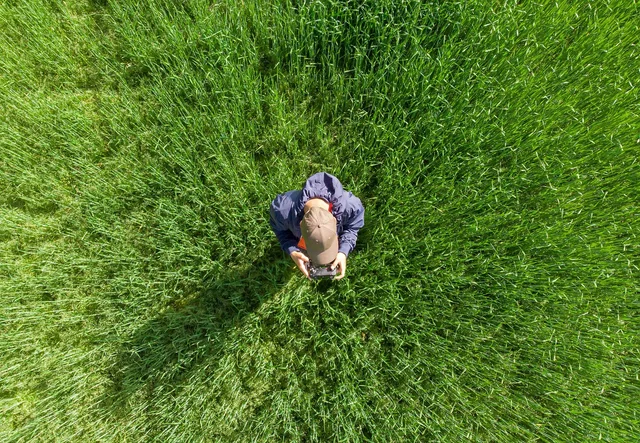
Mountain work adds terrain and airspace problems. High-altitude flight reduces performance margins, cold drains batteries quickly, and ridgelines can block line of sight. Wind at exposed locations can ground a flight entirely, which is why a drone shot should never be the only coverage of a key scene.
Trail work adds people. Runners, riders, and hikers are usually not part of the production, so flying over them is generally not allowed without the right authorization. Plan shots that keep the drone away from the public and use a spotter.
Waterfront work adds aircraft and vessels. Seattle's water, marinas, and industrial corridors can sit near controlled airspace, seaplane traffic, and busy marine channels. Check airspace before the shoot day, not on it.
Both markets include large airports and controlled airspace. Denver International and Seattle-Tacoma International anchor airspace that reaches well beyond their boundaries, and Class B, C, and D areas require authorization through the FAA's system before flight. Authorization is routine but not instant.
Public land rules stack on top of federal aviation rules. National parks generally prohibit drone launches and landings, and many state and local parks have their own bans. A legal flight can still be an illegal takeoff point.
Insurance is part of the drone conversation. Clients increasingly ask for liability coverage and sometimes additional insured status. Carry the certificate, registration, and insurance documents in one place so you can send them the same day.
Crew and postproduction capacity in each market
Crew supply differs between the two metros. Denver has a deep pool of outdoor and action sports specialists: drone pilots, snow safety people, athletes, and camera operators comfortable in the mountains. Seattle has strong product, commercial, and postproduction talent, with more editors and motion designers working in tech-adjacent studios.
Crew Supply by Metro
Denver
- Strength
- Outdoor and action sports
- Key roles
- Drone pilots, snow safety
- Shoot needs
- Mountain-savvy producer
- Peak crunch
- Fall and winter campaigns
Seattle
- Strength
- Product, commercial, post
- Key roles
- Editors, motion designers
- Shoot needs
- Stylist, studio gaffer
- Peak crunch
- Product launches, retail moments
That difference shapes how you staff. A Denver shoot may need a snow safety lead or a mountain-savvy producer. A Seattle shoot may need a stylist, a gaffer comfortable in a studio, and an editor who can turn assets quickly.
Rates follow demand and specialization. Occupational wage data for camera operators, editors, and related roles gives you a defensible baseline when you set crew rates. A published overview of its statistics by occupation covers those categories.
Postproduction capacity is the tighter constraint in both markets during peak season. Denver post houses get busy when fall and winter campaign work lands, and Seattle editors get busy around product launches and major retail moments. Booking edit time before the shoot is normal practice for anyone who wants a predictable delivery date.
Freelance crew pay comes with paperwork. In the United States, payments to independent contractors are generally reported on Form 1099-NEC, and videographers working as sole proprietors report income and expenses on Schedule C. Classification rules vary by state, so confirm your own situation with a qualified accountant or attorney.
Regional employment and wage data can help you benchmark what a market pays across the year. The Bureau of Labor Statistics maintains a Quarterly Census of Employment and Wages that breaks down employment and pay by area and industry.
Capacity also depends on equipment. Mountain shoots often need long lenses, gimbals, weather sealing, and power for cold conditions. Studio product work needs lighting, tables, and macro glass. The kit list follows the client, not the city.
How to pitch each market without underpricing the work
Pitching both markets from one deck is the fastest way to lose money. Build two versions of the same capability story, one for campaign buyers and one for retainer buyers.
Pitching Each Market Separately
- Lead with buying style, not gear
- Show a market-specific sample reel
- Quote in separate line items
- State drone credentials up front
- Put revisions and weather policy in writing
- Offer a retainer tier
- Review rates against market data yearly
Underpricing usually starts with a vague scope, not a low day rate. If the client cannot say how many assets they need or where they will run them, price the work in phases and let the scope grow with the budget.
The broader demand picture is shifting as brands rebalance paid, social, and retail channels. Our look at videography equipment covers what that means for service mix and pricing.
Season windows, drone rules, and crew capacity are the three levers that decide whether a Denver or Seattle job is profitable. Get those right and the rate conversation becomes much easier.
Common questions
Do I need a Part 107 certificate to fly a drone for a Denver or Seattle client?
Yes. Commercial drone operations in the United States require a remote pilot certificate under FAA Part 107 and a registered aircraft, regardless of which state you fly in. Confirm current operating rules with the FAA before you quote the shot.
When do Denver outdoor brands book video shoots?
Snow and winter gear work typically books in late summer and fall, while trail, bike, run, and camp content clusters in late spring and early summer. Budgets are often approved a quarter ahead.
Why do Seattle clients ask for so many deliverable formats?
Seattle tech and outdoor crossover clients run paid and organic channels that need vertical, square, and web versions of the same footage. Format counts are usually written into the statement of work, so missing one triggers a revision round.