Guides
The licences a videography business needs
A videography business needs licences, permits and registrations such as a drone pilot certificate, what each one covers, and when a change reopens the list.
What to take away
- Most video businesses file four thingsa business registration with the state, an EIN from the IRS, a general business licence from the city, and a sales tax permit where the state taxes production services.
- Filming permission is separate from trading permission. A city film permit does not cover a venue's rules, and a venue's rules do not cover the city.
- Insurance, talent releases and a stock music subscription are not licences. They are contracts, and each one gates different work.
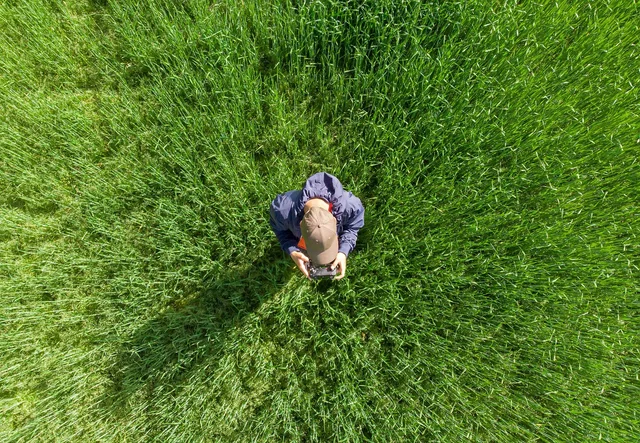
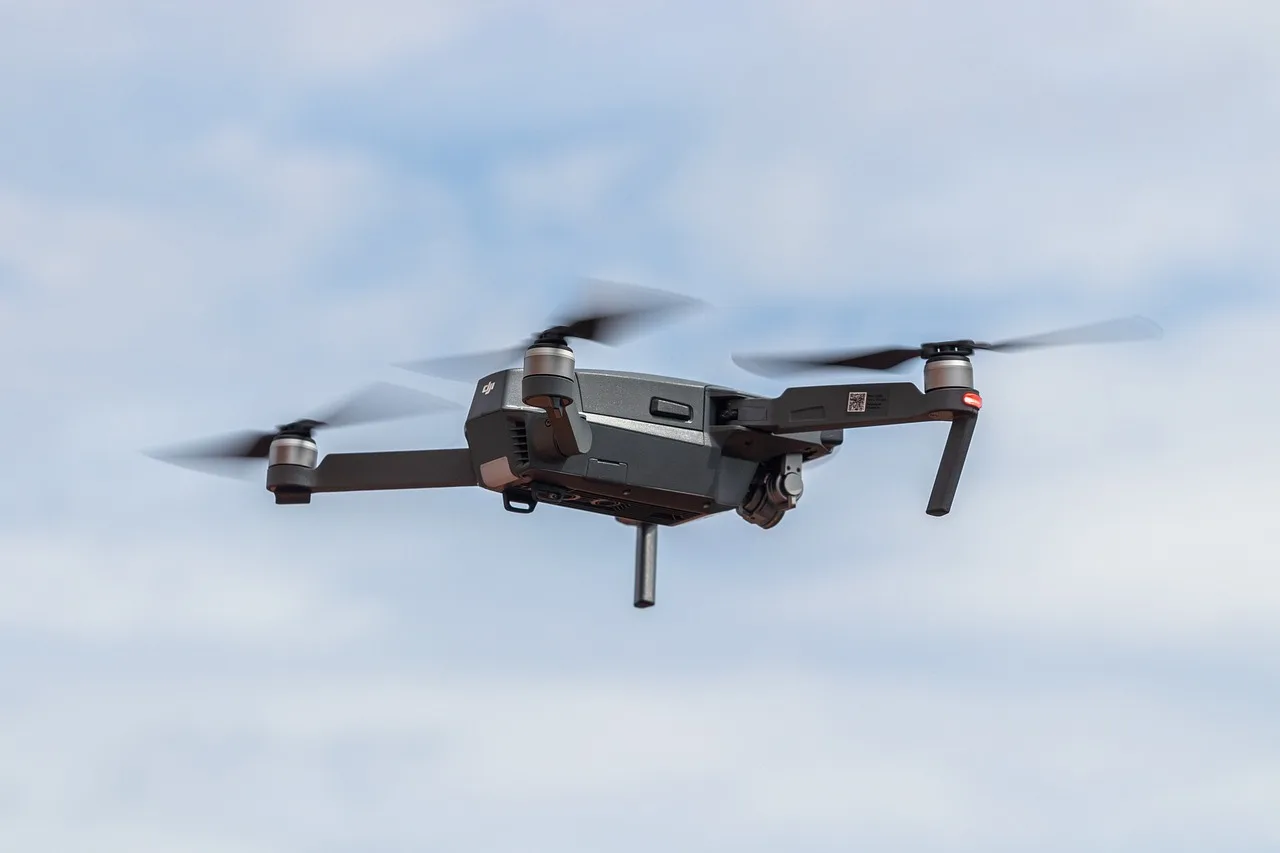
- Drone work adds a Part 107 remote pilot certificate from the FAA, held by the person flying.
- Write every answer down with the name of the office, the person and the date, then reopen the list when one of five things changes.
The registrations and licences, named
These are the instruments a video business commonly holds. Which ones apply to you depends on your state, your city and the work you take, so treat this as the list to check rather than the list to file.
Licences, Issuers and Coverage
Instrument
- Business registration
- State filing office
- EIN
- IRS
- General business licence
- City or county clerk
- Seller's permit
- State revenue department
- Film permit
- City film office
- FAA Part 107
- FAA
Who issues it
- Business registration
- Legal existence and trade name
- EIN
- Tax identity for banking and payment
- General business licence
- Right to trade at a location
- Seller's permit
- Collecting and remitting sales tax
- Film permit
- Filming on public land
- FAA Part 107
- Commercial drone flight by pilot
What it covers
- Business registration
- EIN
- General business licence
- Seller's permit
- Film permit
- FAA Part 107
| Instrument | Who issues it | What it covers |
|---|---|---|
| Business registration (LLC articles, or a DBA / trade name filing for a sole proprietor) | State business filing office, usually the Secretary of State | The legal existence of the business and the name it trades under |
| EIN | IRS | The tax identity of the business, needed to open a bank account and to be paid as a company |
| General business licence or business tax receipt | City or county clerk, sometimes both | The right to trade at a location inside that jurisdiction |
| Seller's permit or sales tax registration | State department of revenue | Collecting and remitting sales tax where your state taxes production or tangible goods |
| Film permit | City film office, county, or parks authority | Filming on public land, and sometimes on private land with a crew over a set size |
| FAA Part 107 remote pilot certificate | Federal Aviation Administration | Commercial drone flight, held by the individual pilot |
| Certificate of insurance | A broker writing production risk | Not a licence. It is what venues and corporate clients ask for before you load in |
| Signed talent and property releases | You, signed by the subject | Not a licence. Permission to use a person's image or a property owner's space |
A sole proprietor with a camera and no employees may hold only the EIN and a city receipt. A four-person shop with a studio, a drone and retail clients may hold all eight.
Sales tax varies more than any other layer. Hawaii applies a general excise tax to services. New Mexico applies a gross receipts tax to services, with a film production deduction for qualifying work. Most other states, including California and Texas, generally tax the delivered goods, such as a hard drive or a disc, but not the production labor.
The state revenue department confirms which rule applies to you.
The six layers, in the order to ask
Each layer answers a different question. Asking them out of order wastes calls, because a city clerk cannot tell you what your state revenue department requires.
Six Layers, In Order
- FederalIRS for EIN, FAA for drones
- Statefiling office and revenue department
- Countyclerk for licence or registration
- Cityclerk and film office permits
- Siteproperty owner, venue or parks authority
- Contractclient rules, inductions, insurance, confidentiality
- Federal.The IRS for your EIN and your business form, and the FAA for drone operation. Neither is optional if it applies to you.
- State.The business filing office for your registration, and the revenue department for what you must register to collect.
- County.The county clerk, for a licence or registration at that level. Some states have none, some have several.
- City.The city clerk for a business licence, and the film office for filming permits, crew size thresholds and equipment rules.
- Site.The property owner, venue or parks authority, in writing. Their permission sits alongside the city's, not underneath it.
- Contract.The client's own rules: site inductions, security clearance, insurance certificates, confidentiality, and sometimes a filming policy of their own.
Record who you spoke to, what they said and when. Six calls, most of them short.
| Layer | Typical fee | Typical lead time |
|---|---|---|
| Federal | The EIN is free from the IRS. The Part 107 knowledge test fee is set by the FAA and paid at the testing centre, commonly around $175 | EIN online in minutes; Part 107 issued after the test and a background check, often two to three weeks |
| State | Business registration commonly $50 to $500; sales tax registration usually free | A few business days to two weeks, faster online |
| County | Many counties charge nothing; where a licence exists, often tens of dollars a year | Same day to two weeks |
| City | Business licence commonly $50 to $500 a year; film permit commonly $50 to several hundred | Business licence same day to two weeks; film permit two business days to four weeks |
| Site | Often nothing for private property; parks or venue use fees commonly $50 to $500 a day for a small crew | Written permission days ahead; park reservations often two to six weeks |
| Contract | No government fee; your broker issues the insurance certificate | Same day to a few days for a certificate; client security clearance can take weeks |
The figures are typical ranges for planning, not quotes. Each office confirms its own.
Crew size, equipment, public space and obstruction
Vague questions get vague answers. Give the facts that change the answer.
Four Variables That Change the Answer
- Crew size, up to four people
- Equipment footprinttripod and lights
- Public versus private space
- Whether you obstruct anything
"I run a small video production business. I film on private property and occasionally in public space, with a crew of up to four, using a tripod and lights but no road closures. Does that require a permit or a licence from your office, and if so which one and what is the lead time?"
Crew size, equipment footprint, public versus private space, and whether you obstruct anything are the four variables. "Do I need a permit to film" answers a different question.
Two worked examples. FilmLA handles permits for the City of Los Angeles and Los Angeles County. The New York City Mayor's Office of Media and Entertainment handles permits for filming in public locations there. Each office sets its own crew threshold, and the number is not shared between cities.
A one or two person handheld shoot on a sidewalk often sits in a different tier from a five person crew with tripods, lights and a vehicle.
What is not a licence
Three things new owners file under licensing by mistake.
Not Licences: Insurance, Releases, Music
Item
- Insurance
- Commercial requirement
- Release
- Permission for one shoot
- Music subscription
- Not every use
What it actually is
- Insurance
- Venues and clients
- Release
- Person or property owner
- Music subscription
- Separate rights holders
Who it binds
- Insurance
- Release
- Music subscription
Insurance is a commercial requirement imposed by venues and clients, and it is often what actually gates a first corporate booking. Ask a broker who writes production risks what a policy responds to before you assume it covers an exposure.
A release is permission from a person or a property owner. It belongs to the shoot, not to the business, and it does not travel to the next one.
The U.S. Copyright Office's work on the music marketplace describes how one track can carry more than one right, held by different parties, with separate licensing paths. Read the terms of the library you hold. If a client campaign depends on the answer, take it to a qualified attorney.
Five triggers that reopen the list
Your answers are correct for the business you described. Five changes make them stale.
Five Triggers That Reopen the List
- Employing people rather than subcontracting
- Flying a drone commercially
- Regular work in another city or state
- Filming in regulated environments
- Delivering work for other territories
- You hire your first employee, or you start paying a contractor.
- You move premises, add a studio, or start letting clients visit the space.
- You add drone work, which brings the Part 107 certificate into play.
- You start selling tangible goods, such as drives, prints or a retail product.
- You take work in another city or state, or a client's venue imposes its own insurance and access rules.
Employment reaches furthest. The Department of Labor publishes compliance assistance for new and small businesses, and classification questions belong with an accountant or an employment attorney rather than with common practice.
Hours are hard to reconstruct later: schedules and environments in this occupation vary widely by production, as the Bureau of Labor Statistics description of broadcast, sound and video technicians records.
Premises, the public and accessibility
If clients or the public visit your space, or you deal with the public commercially, accessibility obligations may apply. The Department of Justice's ADA guide for small businesses gives a readable orientation to the framework, and current requirements should be confirmed with the Department directly, since published guidance ages.
If people come to your space, the common starting obligations are a step-free entrance and path of travel to the areas clients use, and a restroom they can reach. Service animals must be admitted to the areas clients use, and a no-pets rule does not apply to them. Parking, signage and doorway width come up in the same review.
A home studio carries these duties only in the parts clients reach. A videographer who meets clients on location still needs a policy for shoots in public space.
Write the answers down
One-Page Licence Record
- Layer
- Office
- Person
- Answer
- Date
- Review date
| Office | Person | Date | Answer |
|---|---|---|---|
| IRS, then the state business filing office | |||
| State revenue department | |||
| County clerk | |||
| City clerk and film office | |||
| Property owner, venue or parks authority | |||
| Client |
It takes an hour to build and it saves the whole research cycle the next time a client, an insurer or a venue asks what you hold.
The wider set of obligation categories this sits inside, from copyright to employment, is mapped in licensing, releases and compliance.
Common questions
Is there really no single national licence?
Correct. Business licensing runs across federal, state, county and city, and filming permission is layered again by site and by client. A single national video licence does not exist, and any page that hands you one is describing a different country or a different business.
Does a home-based business avoid local licensing?
Sometimes it reduces it, and sometimes it adds a zoning question instead. Ask the planning or zoning office specifically about a home-based business, because that is a different question from commercial premises.
How long does a film permit take?
It varies by city, which is exactly why you call the film office early rather than the week of the shoot. Treat permit lead time as a scheduling dependency with a named owner.
Who decides whether my crew are employees or contractors?
Not you, and not the invoice. It turns on facts about the working relationship, and the consequences of getting it wrong fall on the business. Ask an accountant or an employment attorney before the arrangement is set, and treat it as part of hiring and training a crew.
Does any of this change what equipment I can use?
Yes, in specific places. Drones, rigging, generators, road obstruction and tripods in some venues each carry their own permission. That is why the kit decisions in the camera, audio and lighting setup guide and the packing list in the kit checklist for a first shoot belong alongside the site rules rather than after them.
What if I work in more than one city?
Repeat layers three to five for each one. The federal and state answers usually travel; the county, city and site answers rarely do. That cost belongs in expanding into another market.