Guides
NYC MOME permits and insurance for a videography shoot
A videography shoot in NYC may need a MOME permit, NYPD coordination, separate site approvals, and proof of workers' comp and applicable disability coverage.
What to take away
- A commercial videography shoot that claims exclusive use of a New York City street, sidewalk or plaza, brings an equipment package or needs parking requires a permit from the Mayor's Office of Media and Entertainment (MOME).
- MOME's permit fee is charged per consecutive 14-day period of the project, and police assistance and parking privileges come with the permit.
- MOME's baseline insurance includes $1 million per occurrence in general liability and $1 million in workers' compensation; add auto liability if a production vehicle is used.
- New York disability benefits coverage may also be required; confirm whether it applies to your production.
- A shoot that touches traffic or pedestrian flow needs a uniformed NYPD officer, arranged through the Movie and TV Unit.
- Parks, transit property and private buildings each run their own approval, separate from the MOME permit; check their insurance requirements separately.
- File 5 to 10 business days out for a simple permit, 10 to 15 for a street closure.
What makes a shoot permitable
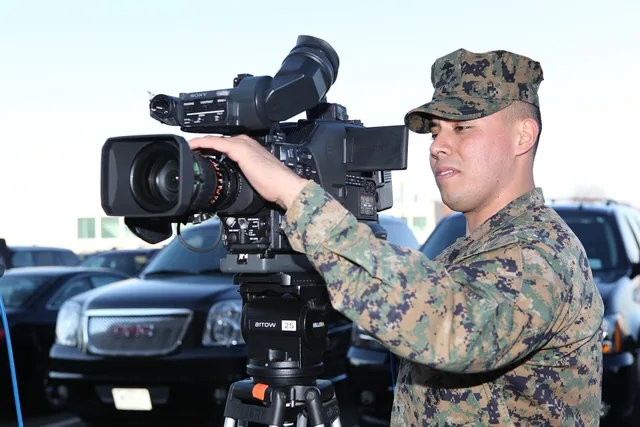
A commercial videography shoot is paid client work that uses public property: sidewalks, streets, bridges, plazas, parks. The camera alone does not decide it. A phone on a gimbal on a SoHo sidewalk, with no exclusive use of the pavement and no parking request, does not need a permit; a cinema rig with an equipment package does.
The trigger is how you use the public way. Block a sidewalk, run cable across a curb, park production vehicles or put prop weapons, prop vehicles or stunts on set, and the city treats it as a permitted activity.
Personal, hobby and student projects are outside MOME's permit rules. So is news gathering. A wedding video shot entirely on private property is generally exempt. Branded content for a paying client is not.
A one-person run-and-gun setup draws less review than a shoot with a generator, a dolly or a lighting truck. The application is the same either way, but the equipment list shapes how many agencies look at it.
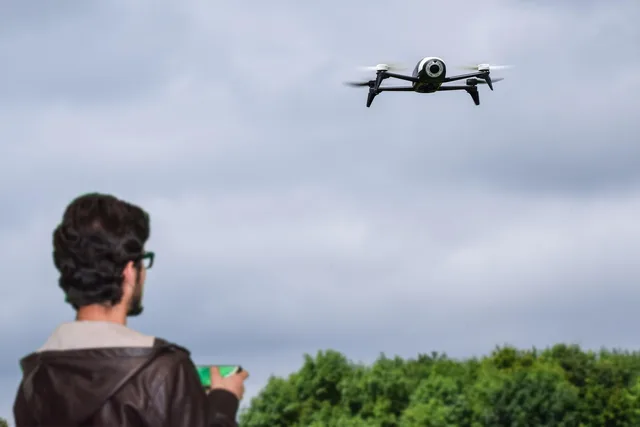
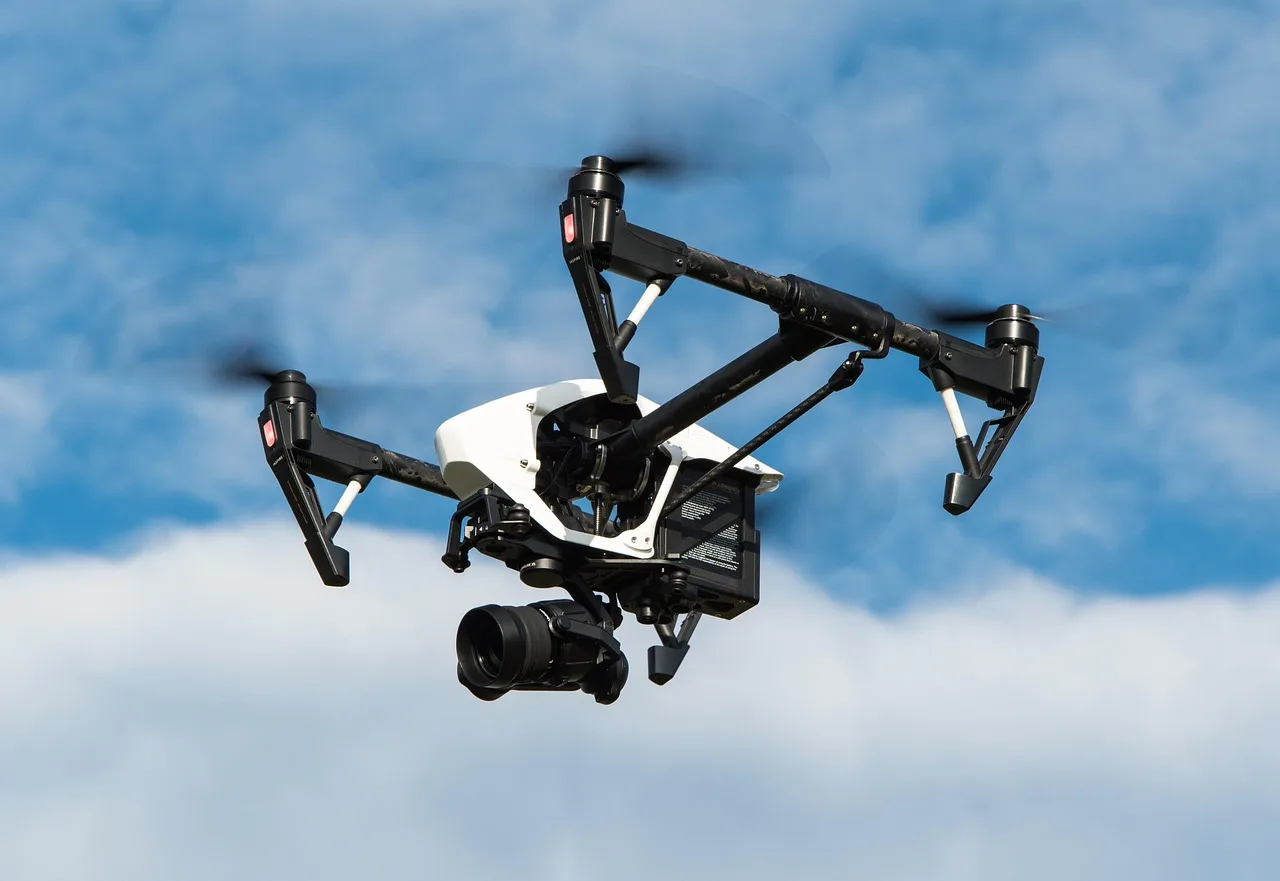
Drones sit on top of all of this. FAA Part 107 governs the flight, and the city has its own limits on takeoff and landing in public space. Confirm airspace and operating rules with the FAA and a certificated remote pilot before you build a drone shot into a client treatment.
Filing with MOME
Filing a MOME film permit
- Submit COI, shoot description, locations, dates, times, equipment list
- MOME reviews and routes to NYPD, DOT, Parks
- Permit approved and must be on set
- Change location, add day or overrun needs an amendment
MOME reviews the application and routes it to other agencies as needed: NYPD, the Department of Transportation, Parks. A general shoot permit covers a small crew at one location in a short window. A special event permit covers multi-day shoots, street closures, or anything needing police assistance.
MOME's Filming Permits page lists each permit type and what that filing requires, and links to the application submitted for the permit.
The approved permit must be on set. It names the locations and hours you may work. Change a location, add a day, or run past your window and you need an amendment. Working outside the permit terms can bring a stop-work order and fines.
A shoot that touches a park, a street and a private building needs three separate sign-offs. The MOME permit is the anchor, not the whole approval.
Insurance the city and venues ask for
New York City wants a certificate of insurance before it issues a film permit, and the standard proof is an ACORD 25 certificate of liability insurance. The baseline is $1 million per occurrence in general liability and $1 million in workers' compensation. Add $1 million in auto liability if any vehicle is in the production. Those are floors, not ceilings.
New York's Disability Benefits Law also requires disability benefits coverage for most employers with employees. Confirm whether it applies to your production and provide proof when required. State proof forms include Workers' Compensation Board form C-105.2 for coverage through a private carrier, U-26.3 for coverage through the New York State Insurance Fund, and DB-120.1 for disability benefits coverage. Ask your insurer which forms apply and whether MOME needs them with the application.
Baseline insurance floors for NYC permits
- $1 millionGeneral liability per occurrence
- $1 millionWorkers' compensation
- $1 millionAuto liability if vehicles are in production
General liability covers injury and property damage to third parties. Workers' compensation covers crew hurt on set.
In New York, hiring freelance crew does not remove the workers' comp requirement unless those crew carry their own coverage.
The state Workers' Compensation Board enforces this, and the rules on who counts as an employee are a legal question for your attorney or accountant, not a decision to make from a blog post.
The city also asks for a waiver of subrogation and additional insured endorsements naming the City of New York.
Venues raise the numbers. A private studio may want $2 million in general liability. A hotel or landmark building may want a $5 million umbrella. Ask for the venue's insurance requirements before you sign anything, and start the COI early: issuance can take a day or two.
For the cost side of coverage, see insuring a videography business. If you are still setting up the company, Pre-opening compliance covers registration and the insurance basics.
Street closures, parking and the police detail
Street work is the hardest part of a New York shoot. You need a street closure permit from MOME and NYPD approval of the traffic plan. A full closure also means notifying the businesses and residents on the block.
A simple closure usually needs 5 to 10 business days of lead time. A major one needs more.
The NYPD Movie and TV Unit coordinates police support. Any shoot that affects traffic, sidewalks or pedestrian flow requires a uniformed officer. The officer handles crowd control and parking enforcement as well. For a permitted production this police assistance is provided free, so it is a scheduling item rather than a budget line.
NYPD police detail sequence
- Submit MOME application and mark police assistance needed
- MOME routes request to NYPD Movie and TV Unit
- NYPD assigns coordinator, states officer count and fee
- You confirm details and pay
- Officer arrives at call time for permitted hours
Parking is a separate filing. Production vehicles need a parking permit, and no-parking signs must go up 24 hours ahead. Skip that and the trucks get ticketed or towed. For fitting these windows into a full calendar, see scheduling videography bookings.
Private property, parks and transit
A private property shoot needs no MOME permit, but it needs the owner's written permission covering dates, times, areas and insurance. Manhattan commercial buildings commonly ask for a COI at $2 million in general liability with additional insured status. Keep the signed location release on file.
Permits by location type
Private property
- Permit office
- None, owner permission
- Insurance
- $2M common
- Extra requirement
- Signed release
- Timing
- Any
Parks
- Permit office
- NYC Parks
- Insurance
- Varies
- Extra requirement
- Park employee may be required
- Timing
- Varies by park
MTA transit
- Permit office
- MTA
- Insurance
- Required
- Extra requirement
- Detailed safety plan
- Timing
- Off-peak hours
NYC Parks runs its own permit office for shoots in parks and playgrounds, and its permission comes before the MOME application is submitted. Fees vary by park and crew size. Some parks are restricted, and some bookings require you to pay for a park employee on site. Parks approval is separate from a MOME permit, so file both when your shot list touches a park and a street. Ask the Parks permit office for its current insurance limits and endorsements; do not assume the MOME baseline satisfies them.
The MTA controls transit property: subway stations, buses, commuter rail. Commercial shoots there need an MTA permit, insurance, and a detailed safety plan. Active stations usually limit shoots to off-peak hours, and review takes longer than a street permit. Ask the MTA for the insurance limits and endorsements required for the specific property before filing.
If the shoot involves construction or heavy equipment, OSHA rules apply. Personal protective equipment requirements are set out in OSHA standard 1910.132, General requirements, and local enforcement contacts are listed in OSHA's directory of offices by state. The wider picture is in the licensing and compliance guide.
Lead times and the pre-shoot checklist
MOME recommends filing 5 to 10 business days before the shoot. Street closures and shoots with a police detail want 10 to 15. Transit and parks permits can take longer still. Rush filing exists for some permit types, but it does not guarantee approval.
MOME's permit fee information sets the fee by the start and end date of the project: for each consecutive 14-day period (or portion), the non-refundable fee is $500. The same page says the Film Office provides free police assistance, free parking privileges and access to most exterior locations free of charge. Filming inside a building that DCAS oversees may need a DCAS permit with an administrative fee of $3,200, paid in addition to the Film Office's application fee. A fee waiver can be requested before filing if the fee poses an unreasonable hardship, and the Film Office takes up to 3 business days to decide.
Parks and the MTA publish their own schedules for park bookings and transit property. Pull those figures before you build the production estimate, and carry each as its own line rather than one lump sum.
Before the shoot day:
- Permit in hand, matching the call sheet on locations and hours.
- COI issued, with the City of New York named as additional insured and the venue's own limits met.
- Uniformed NYPD officer confirmed through the Movie and TV Unit when the shoot touches traffic or pedestrians.
- No-parking signs posted 24 hours before the production vehicles arrive.
- Signed location release on file for every private property used.
- Separate Parks and MTA permits in hand when the shot list touches park or transit property.
Pre-shoot permit and insurance checklist
- MOME permit approved and printed
- COI naming the city as additional insured
- Workers' compensation and auto certificates
- Street closure and parking permits posted
- NYPD officer confirmed and paid
- Private property releases signed
- Parks or MTA permits in hand
One more check: confirm your business entity is registered in New York. An out-of-state company may need to register with the New York Department of State, and Existing Corporations and Businesses | Department of State is where to verify status. The operations and workflow guide covers how these filings sit inside a full production calendar.
Common questions
Do I need a permit for a one-person commercial shoot on a sidewalk?
Not always. The permit requirement follows the activity, not the crew size. A single operator with a hand-held camera or a camera on a tripod who does not claim exclusive use of the sidewalk, uses no prop weapons, prop vehicles or stunts and asks for no parking does not need one. Block the sidewalk or bring an equipment package and the shoot becomes a permitted activity.
What insurance limits does the city require?
For a MOME permit, the baseline is $1 million per occurrence in general liability and $1 million in workers' compensation, plus auto liability if a vehicle is used. New York disability benefits coverage may also be required, depending on your production. Parks, transit agencies and venues can have separate requirements, so confirm their limits before filing.
How far ahead should I file for a street closure?
Plan on 10 to 15 business days. Complex closures or ones needing a police detail can take longer, and a late application is not assured of approval.
What happens if I shoot without a permit?
Police or MOME enforcement can stop the shoot, issue fines, and require you to pack out. Repeat violations raise the fines and make future permits harder to get.